• The Pumpkin Patch That Planted a Story

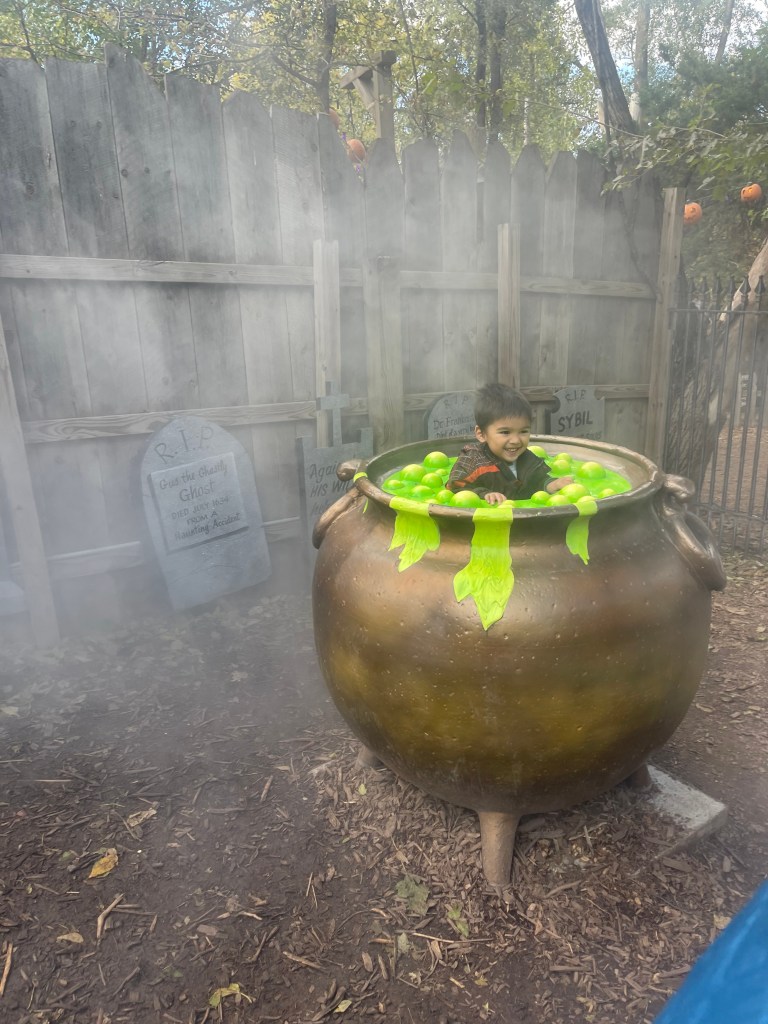
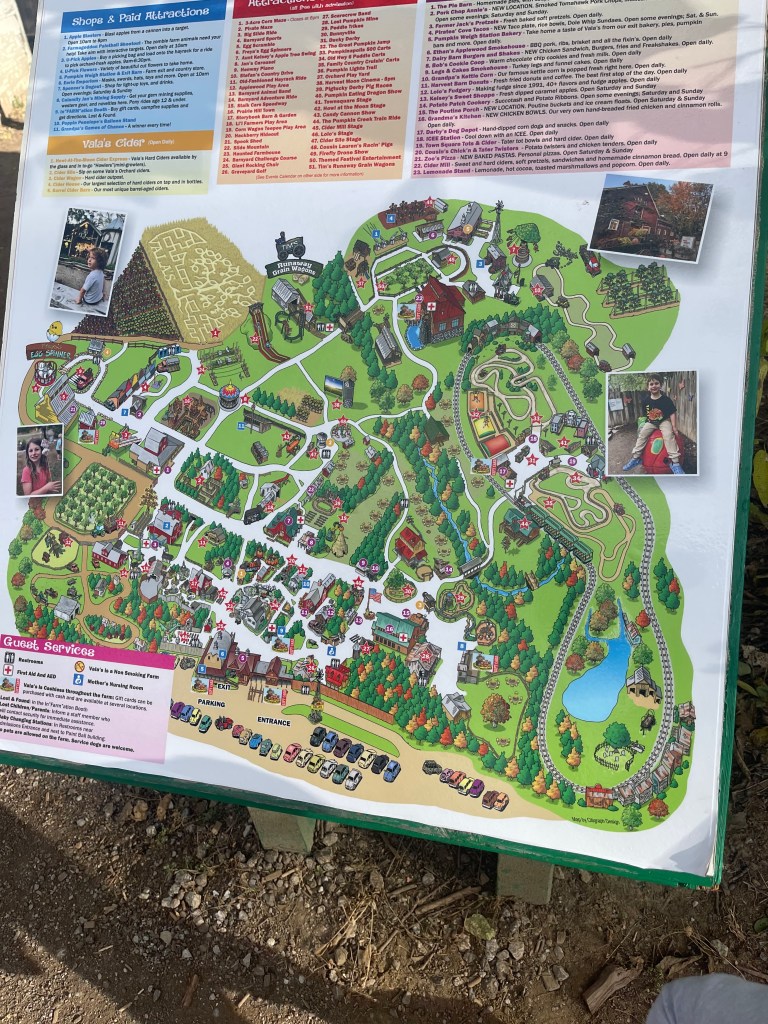
    In early October, our family made a short trip to Omaha. We planned to visit a pumpkin patch just outside the city—something simple to mark the season. The weather was mild, the leaves had just started to turn, and the kids were excited to run through cornfields and climb on hay bales.

    We arrived late in the afternoon. The light was warm and low, the kind of golden glow that seems to slow everything down. After the maze and the pumpkin picking, we found a quiet spot near the edge of the property where a wide old tree stood alone near the fence line. The kids sat underneath it, sticky from cider and dirt, still talking over each other, still spinning out their energy.

    At some point, one of them made an offhand comment about the tree:
    “It looks like it could grow pancakes.”

    The others laughed. Someone made a joke about pie. The moment passed, and we headed home.

    Later that week, while thinking through some new story ideas, that line returned. The image of a tree—not bearing fruit, but producing things that reflected joy and memory and appreciation—stuck. It felt like something worth exploring. What would happen, I wondered, if a tree responded to the things children said they were thankful for?

    From that question, Liam and the Thankful Tree began to take shape.

    In the story, the tree is not just magical—it’s responsive. It grows not just from roots, but from gratitude. With each honest, joyful expression from the children, the tree changes. It glows, it blooms, it surprises. The more they offer, the more it gives back. Not because it’s been asked, but simply because they are willing to share.

    The book is full of surreal, visual moments: pancake fruit, marshmallow birds, musical vines. But at its core, the story is about something simple: the emotional experience of thankfulness as something that expands, ripples outward, and creates space for others.

    That idea didn’t come from a lesson plan or a seasonal worksheet. It came from sitting still for a few minutes under a tree with four kids and noticing something ordinary—then letting imagination do the rest.

    The pumpkin patch was never meant to be anything more than a weekend outing. But like many small things, it opened the door to something unexpected. And that’s how a passing comment became a story.


    📖 Liam and the Thankful Tree is available in print and on YouTube.

    📚 Browse more stories at rowanstories.com

    🛒 Find our books on Amazon → amazon.com/author/theaesopfamily
  • The Ultimate Bedtime Routine for a 5-, 3-, 2-, and 1-Year-Old

    A calm, layered routine to help four young kids wind down peacefully — with a full schedule, environment tips, and printable checklist ideas.


    🕯 1. Set a Family Wind-Down Time (Start 60–90 Minutes Before Bed)

    Begin dimming lights and lowering noise around 6:30 p.m. Create a visible cue that “evening mode” has started — soft lamps, gentle music, maybe a diffuser with lavender or chamomile.

    • Turn off screens and switch to quiet play.
    • Use consistent lighting and scents each night.
    • Keep transitions predictable: dinner → wash-up → stories → bed.

    Tip: Put tablets and remotes “to bed” in a drawer at the same time each night to prevent negotiations.

    🛁 2. Stagger Baths and Pajamas

    Baths are powerful sleep cues, but doing all four at once is chaos. Rotate instead:

    • 6:30 p.m. – Bath for the 2- & 1-year-old
    • 6:45 p.m. – Lotion + PJs for the little two
    • 7:00 p.m. – Bath for the 3- & 5-year-old
    • 7:20 p.m. – Brush teeth, hair, and final PJs

    Use the same lotion and shampoo scents each night — smell consistency is a powerful comfort cue.

    📖 3. Layered Story Time

    • 7:30 p.m. – One short, funny family story for everyone.
    • 7:40 p.m. – 1- & 2-year-old to bed with lullaby or white noise.
    • 7:45–8:00 p.m. – Early reader or chapter book for 3- & 5-year-old.

    Bonus: Use recurring characters from your own books so kids look forward to “their” bedtime stories.

    💡 4. Visual Sleep Cues for Each Child

    • 5 y: Clock changes color at sleep time.
    • 3 y: Picture chart — potty → pajamas → brush → book → bed.
    • 2 y: Night-light turns blue when lights go off.
    • 1 y: Same lovey + white-noise sound every night.

    🧸 5. One-Minute Connection Rituals

    • 5 y: Ask, “What made you proud today?”
    • 3 y: Short cuddle + recap the day.
    • 2 y: Sing one gentle song.
    • 1 y: Rock or hum softly before crib.

    🌙 6. Ideal Sleep Environment

    • Temperature: 68–72 °F
    • White noise: steady, low volume
    • Lighting: warm or red-hued night-light
    • Only one comfort object in bed

    Sharing rooms? Use a fan or sound machine to help stagger bedtimes without waking siblings.

    🕰 Example Bedtime Schedule

    Time Routine Step Who
    6:30 p.m.Baths2- & 1-year-old
    6:45 p.m.PJs + Lotion2- & 1-year-old
    7:00 p.m.Baths3- & 5-year-old
    7:20 p.m.Brush teeth + hairAll
    7:30 p.m.Family storyAll
    7:40 p.m.Lights-out + lullaby1- & 2-year-old
    7:45–8:00 p.m.Older-kids story time3- & 5-year-old
    8:00 p.m.Lights-out3- & 5-year-old

    ✅ Printable Checklist Ideas

    • 5-year-old: Tidy toys • Brush teeth • “Proud moment” talk • Lights change color
    • 3-year-old: Potty • Brush • Picture chart • Cuddle recap
    • 2-year-old: Lotion • Song • Night-light turns blue
    • 1-year-old: Rock + hum • White noise on • Into crib drowsy-awake

    💭 Final Thoughts

    A successful bedtime isn’t about perfection — it’s about rhythm. When every child knows what happens next, their body relaxes. Keep the same order even when nights run late or travel throws things off. Consistency beats complexity every time.


    © 2025 Diaz Family Blog · For informational purposes only · Share your own routines in the comments!

  • Our Visit to the Omaha Zoo: Slow Wonder, Big Conversations

    We didn’t go to the zoo for content.
    We didn’t go to check it off a list.
    We went because we needed a pause — and a walk — and a few wide-eyed moments with the kids.

    What we found at the Omaha Zoo was more than we expected.
    Not because it’s massive (though it is), or because it’s famous (which it is).
    But because it gave us the rare gift of attention.


    First Impressions

    The Henry Doorly Zoo is no joke.
    It’s huge. It’s beautifully designed. It’s internationally known.

    But what struck us most was how easy it was to move slowly.
    We weren’t in a rush.
    The kids set the pace.
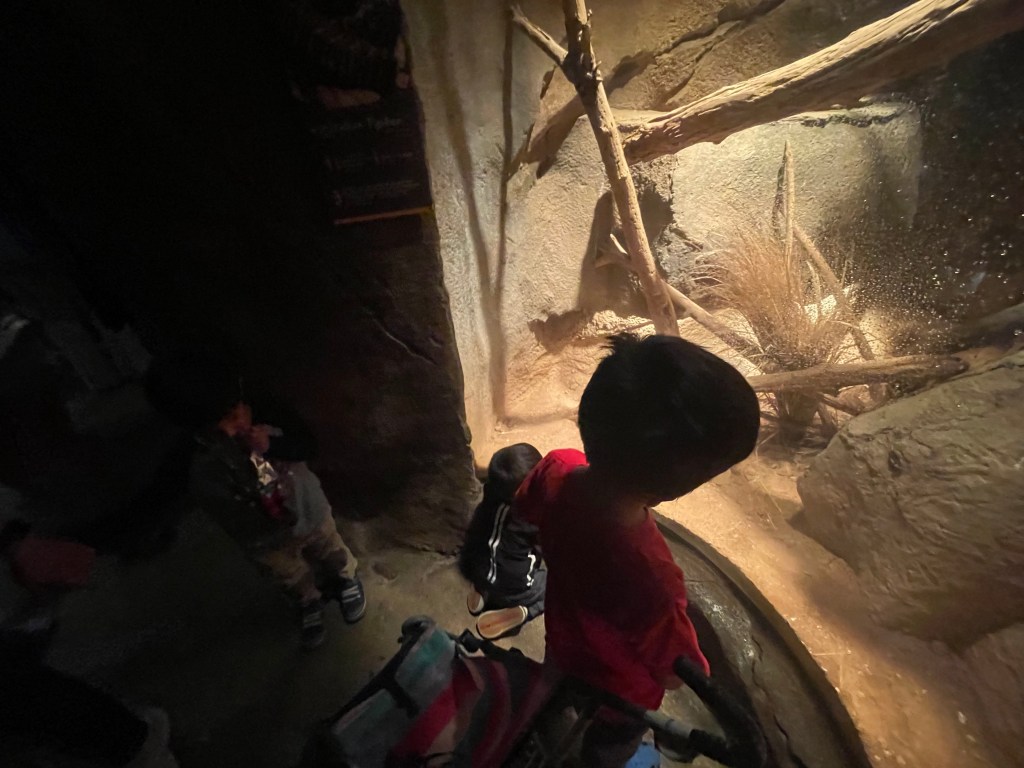
    And at each exhibit, they stopped just long enough to see what we might have missed.

    The Indoor Jungle and Desert Dome

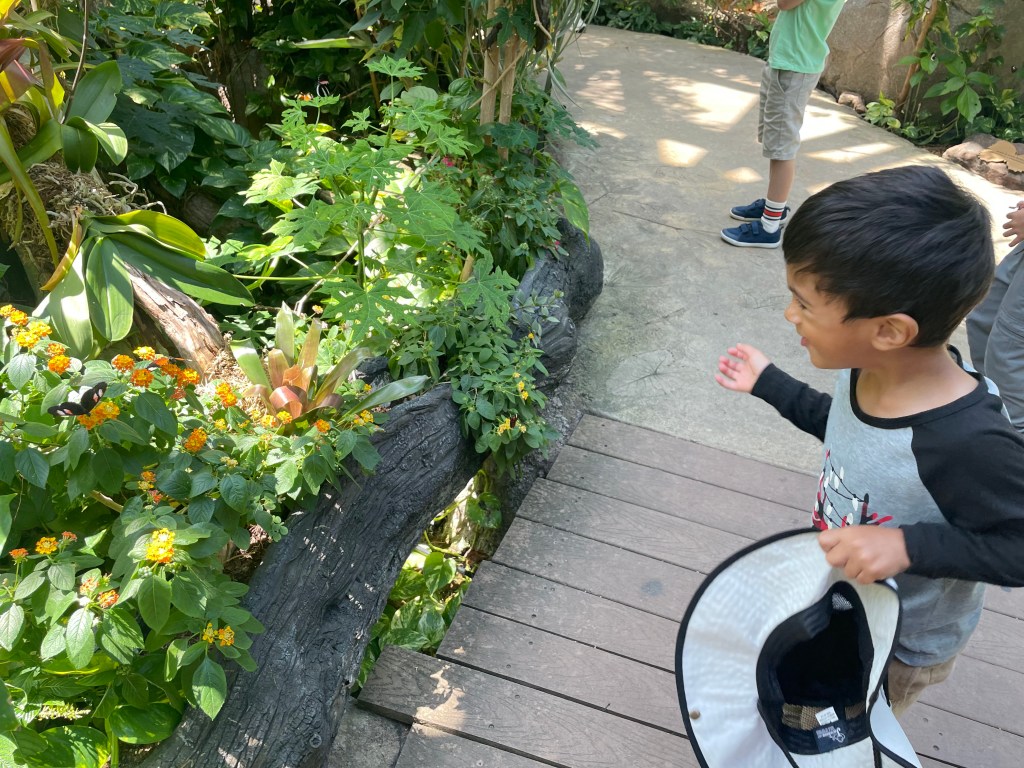
    The indoor jungle was a favorite — dense, loud, and full of green.
    Our kids were fascinated by the echo of birds and the sudden stillness of slow-moving primates.
    They whispered more than they talked.

    The Desert Dome felt like stepping into another planet.
    Hot, dry air. Underground tunnels.
    And animals we never imagined we’d stand inches away from.

    Each new zone felt like a soft reset — different sounds, different air, different questions.

    Unexpected Conversations

    At the gorilla exhibit, our five-year-old asked,
    “Do they know they’re not free?”

    It wasn’t judgmental — it was honest.
    We talked about animal conservation, rescue vs captivity, and the balance zoos try to strike.

    At the aquarium, we talked about bioluminescence.
    At the penguins, we talked about climate change.
    At lunch, we mostly talked about french fries.

    It was messy, real, and exactly the kind of day that leaves a mark without trying.

    What We Brought (and What We’ll Remember)

    We packed light:

    • Water bottles
    • Sandwiches
    • One backup shirt (used)
    • And zero expectations

    We didn’t try to see everything.
    We let the kids lead.
    We found shade when they were tired and didn’t push when they weren’t interested.

    By the end of the day, we had:

    • Dirt on our shoes
    • Three thousand questions to answer
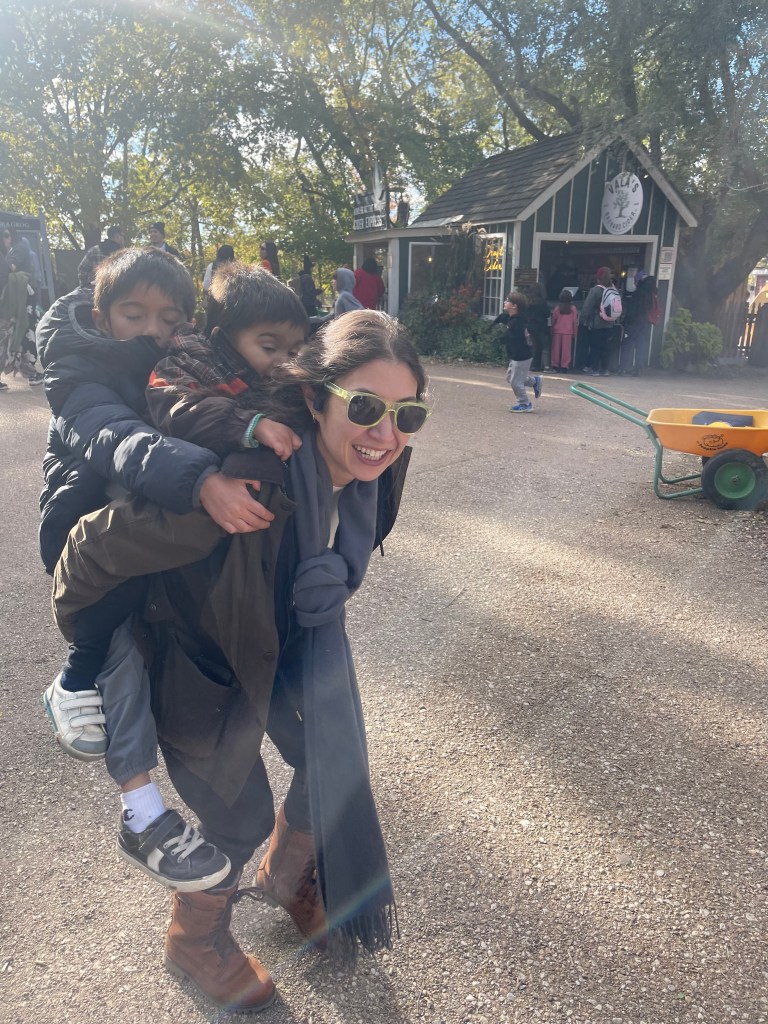
    • And one baby napping on a shoulder

    It was enough.

    Final Thought: Wonder Is Worth Planning For

    In family life, it’s easy to default to the efficient.
    To fill weekends with errands and tasks and plans.
    But this day reminded us that some of the best memories happen when you don’t overplan.

    The Omaha Zoo gave us the space to wonder, talk, walk, rest, and reconnect — without screens, without schedules, and without needing it to be more than it was.

    Just time. Just wonder. Just being together.

    That’s what we’ll remember.


    If you’re planning a visit: Go early. Pack water. Don’t try to see everything. Just start walking — the rest will happen on its own.

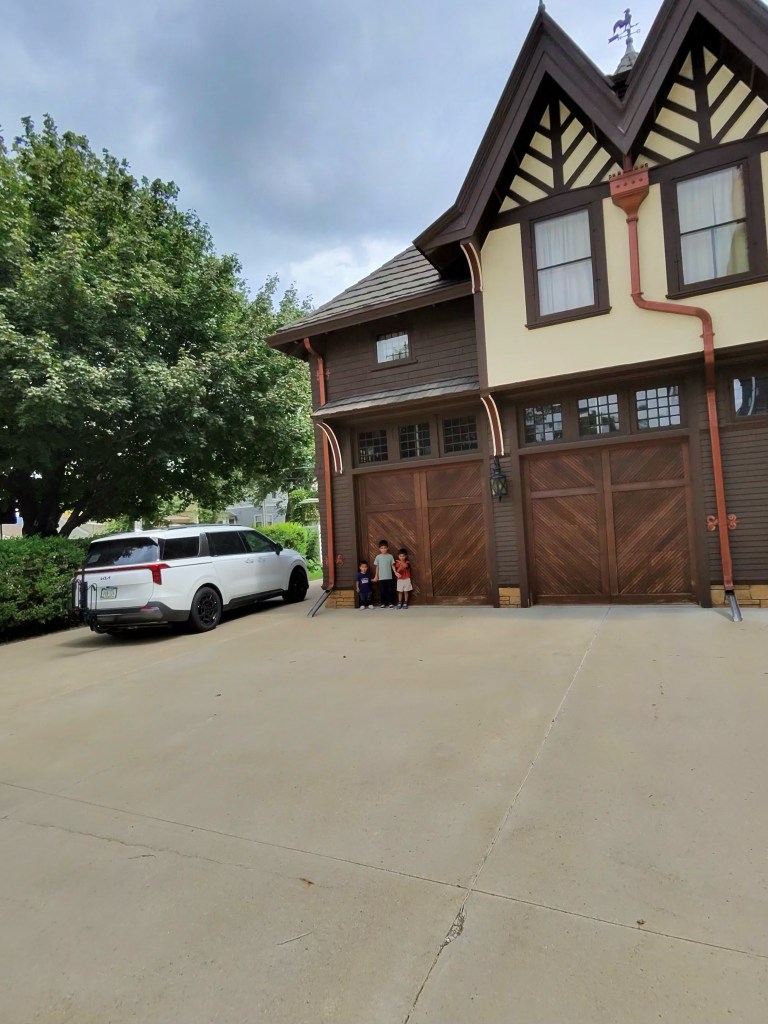
  • When you’ve got four kids under six, the family car isn’t just a car anymore—it’s your second office, your daycare shuttle, and your family hauler all in one. We needed more than just seats on wheels. We needed something that could keep up with both our busy household and our business. After a lot of back and forth, we landed on the Kia Carnival—and here’s why it wasn’t just the right family choice, but also a smart business move.


    The Family Side: Surviving the Chaos

    Let’s be honest: four car seats don’t fit neatly into most vehicles. We tried to convince ourselves an SUV would work, but every time we loaded the kids in, it felt like solving a Rubik’s Cube.

    • Room for everyone without squeezing or fighting over seats
    • Sliding doors that save us from parking lot battles
    • Cargo space that can handle strollers, groceries, sports gear, and Costco trips in one go

    The Business Side: Turning a Car Into a Deduction

    Here’s where things got interesting. Because of its size and weight class (over 6,000 lbs GVWR), the Kia Carnival qualifies under IRS Section 179, which allows businesses to deduct a large portion of the purchase price in the first year.

    That meant we weren’t just buying a minivan—we were also making a tax-smart investment. By running the vehicle through our business, it serves multiple purposes:

    • Client meetings & site visits — Easy transportation for team or partner travel
    • Content production & logistics — Hauling props, equipment, and gear in one trip
    • Family-as-business integration — Since our kids are part of our media brand, the van literally transports “talent” to shoots and events

    How We Actually Use It Day to Day

    • Weekdays: Our mobile office—school drop-offs, business calls, and client visits
    • Weekends: Packed with cameras, costumes, and props for content shoots
    • Trips: Business-related travel, strategy meetings, and family-business events
    • </
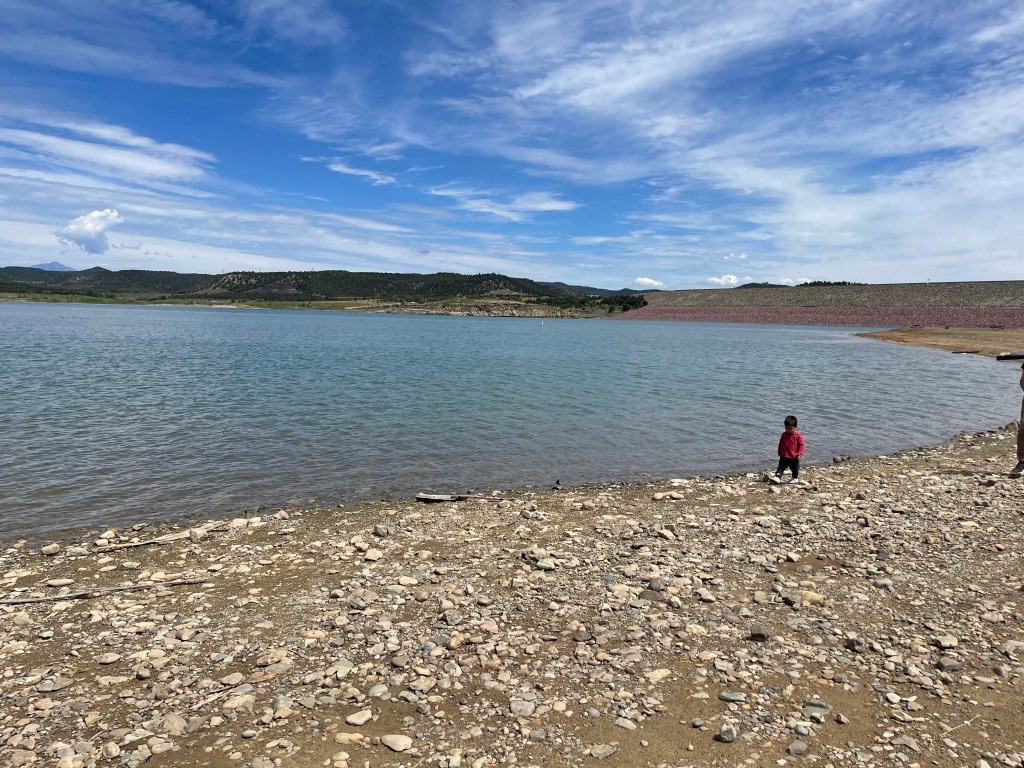
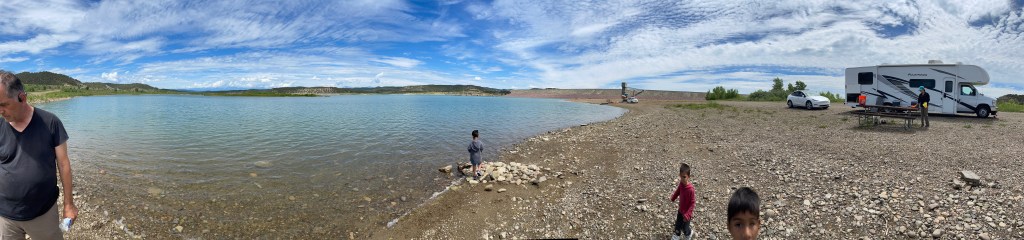
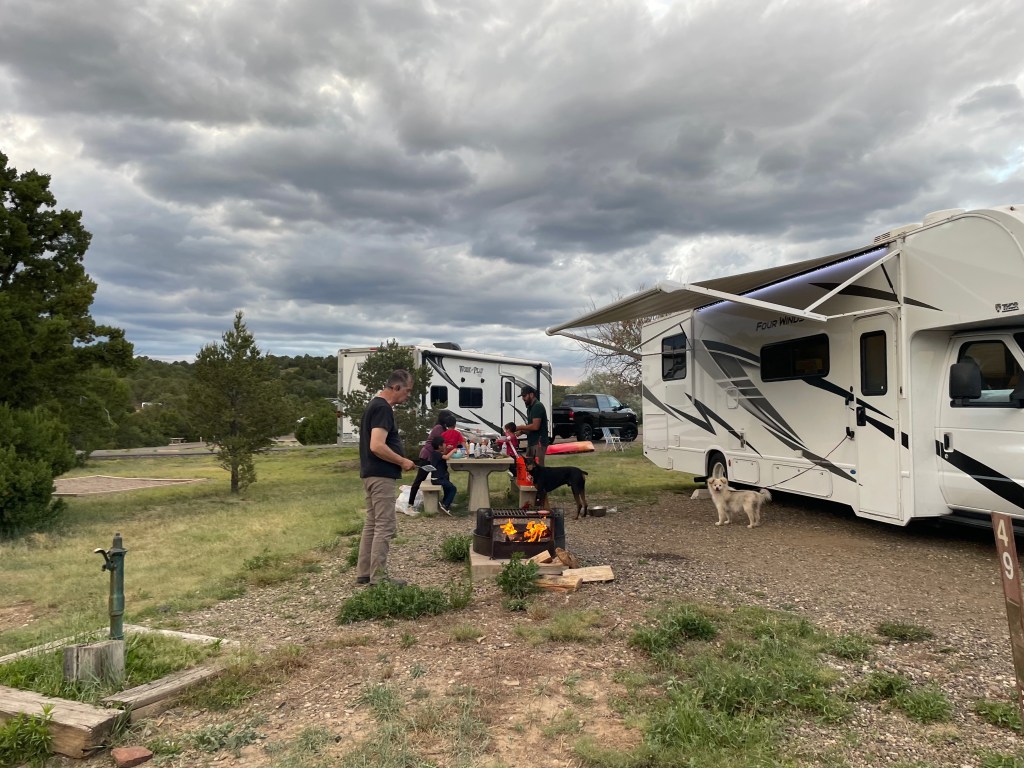
  • If you’re looking for a relaxing RV getaway in southern Colorado, Trinidad Lake State Park checks all the boxes. Tucked in the foothills of the Sangre de Cristo Mountains, it’s a scenic stop right off I-25 that feels surprisingly peaceful once you’re parked.

    Getting There in the RV

    For road trippers driving north or south along I-25, Trinidad Lake is one of the easiest parks to access. We rolled in with the RV and appreciated the wide roads leading into the campground. The pull-through sites made setup simple, even with a larger rig.

    Campsites and Setup

    • RV-friendly sites with electric hookups, picnic tables, and fire rings
    • Some loops offer full hookups; others are electric-only, so bring water onboard
    • Campsites have enough space for slides and awnings, and most are level
    • Cell service is decent, but don’t count on blazing speed if you’re working remotely

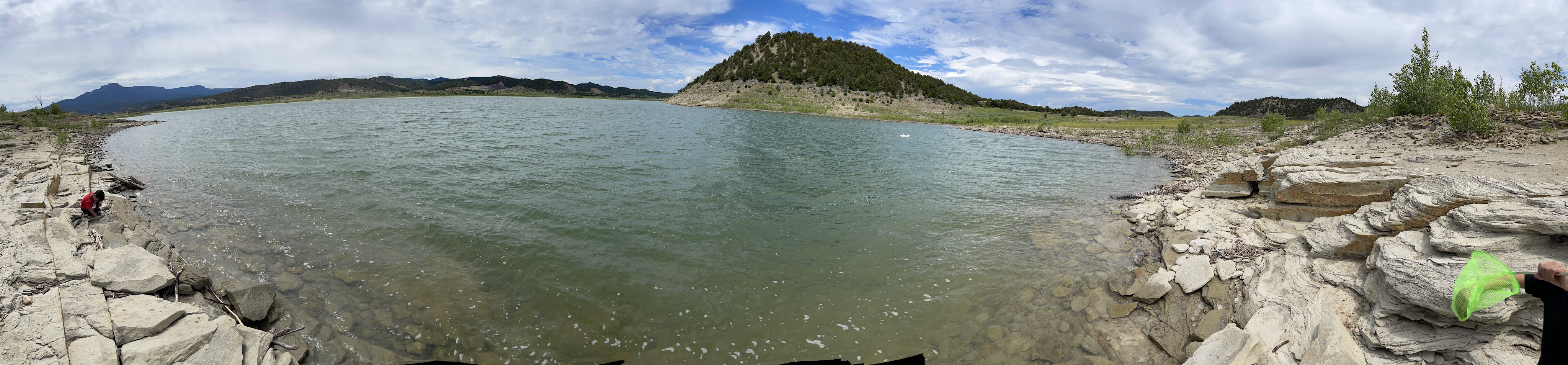
    The real highlight is the view — waking up to lake water shimmering against the backdrop of rolling hills and mountains.

    Things to Do at Trinidad Lake

    • Fishing: The lake is stocked with trout, catfish, and bass. Bring rods — it’s easy to cast from shore or launch a small boat.
    • Hiking: Several short trails wind around the lake with scenic overlooks. The Reilly Canyon Trail is great for stretching your legs without committing to a long hike.
    • Wildlife: Mule deer wander through camp in the evenings, and birdwatchers will spot plenty of waterfowl.
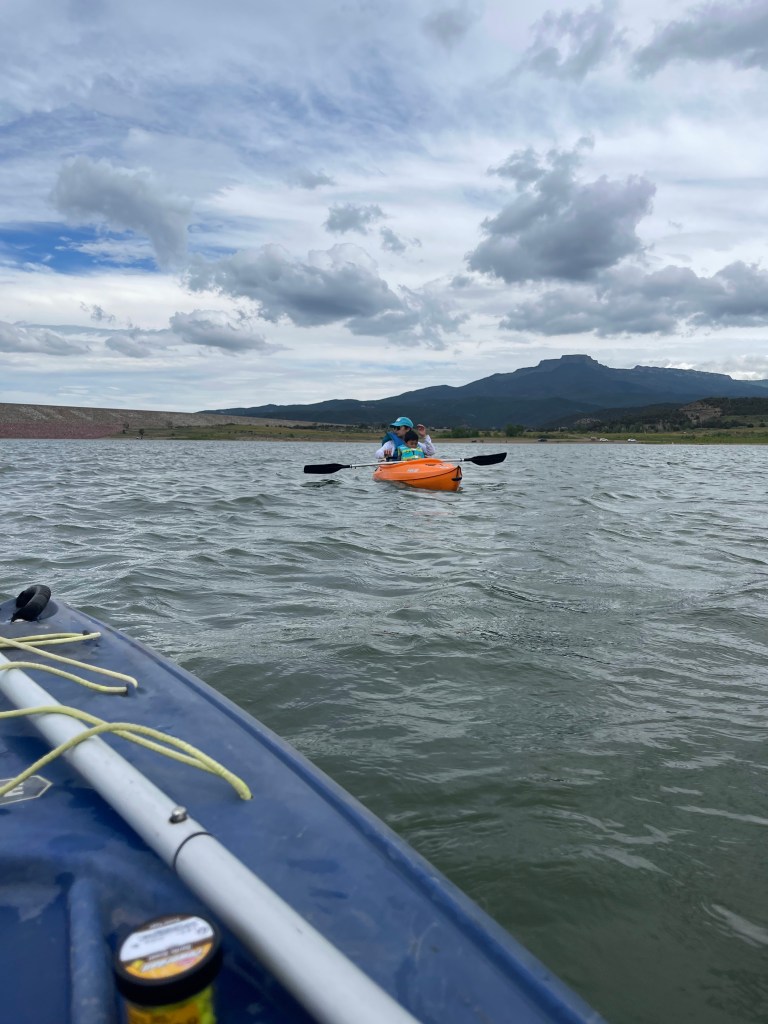
    • Water fun: In summer, kayaks and paddleboards are popular. The boat ramp is convenient for RV travelers towing watercraft.

    Why Trinidad Lake Works Well for RV Travelers

    • Close to Trinidad, a historic town with restaurants, fuel, and grocery stores
    • Quiet, laid-back vibe — not as crowded as some Front Range parks
    • A perfect stopover if you’re on a long haul between New Mexico and Denver

    Tips Before You Go

    • Bring extra water if you’re not in a full-hookup loop
    • Colorado weather changes quickly — expect warm afternoons but cool nights
    • Reserve ahead during summer; spots with the best views fill up early

    Final Thoughts

    Our RV trip to Trinidad Lake State Park was the kind of stop that makes you slow down: easy setup, beautiful scenery, and enough activities to keep both kids and adults happy. Whether you’re traveling through southern Colorado or looking for a weekend escape, this park is well worth adding to your itinerary.

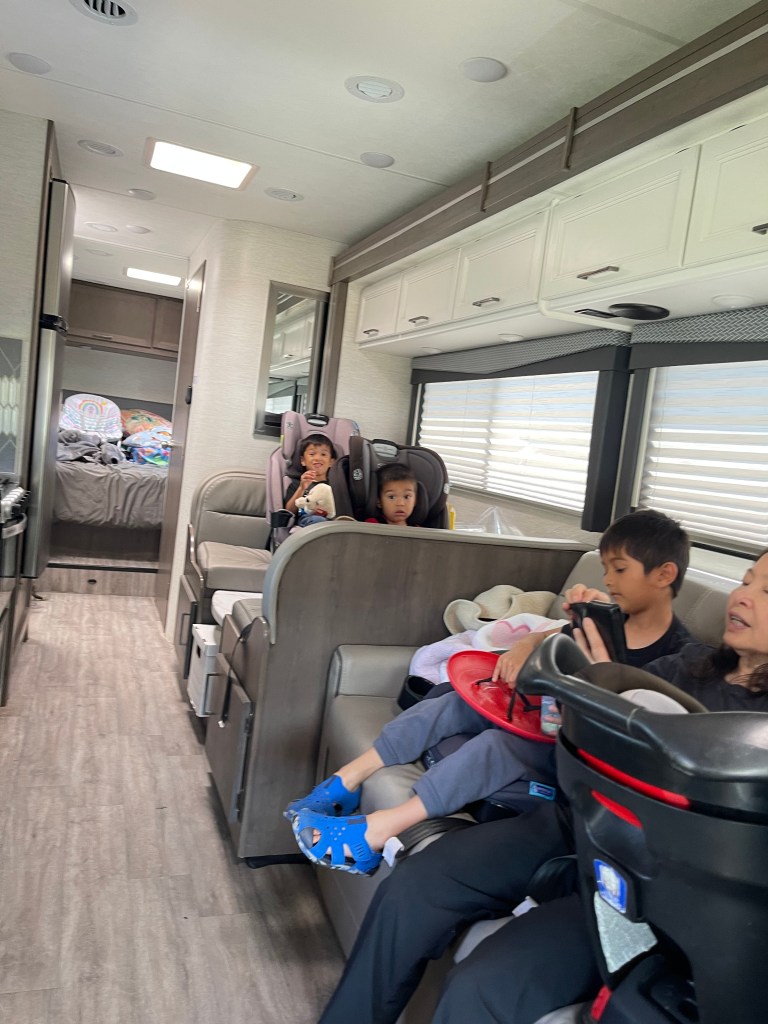
  • Interior view of a mid-size Class C RV with three young children in car seats and a woman sitting nearby, showcasing a family-friendly layout.

    Family Review: Our El Monte RV Rental (What Worked, What Didn’t)

    Crew & critters: 8 humans + 2 dogs

    • Kids: 5, 3, 2, and 1
    • Adults: Mom + Dad, plus Grandma & Grandpa
    • Dogs: 2 (crated/harnessed)

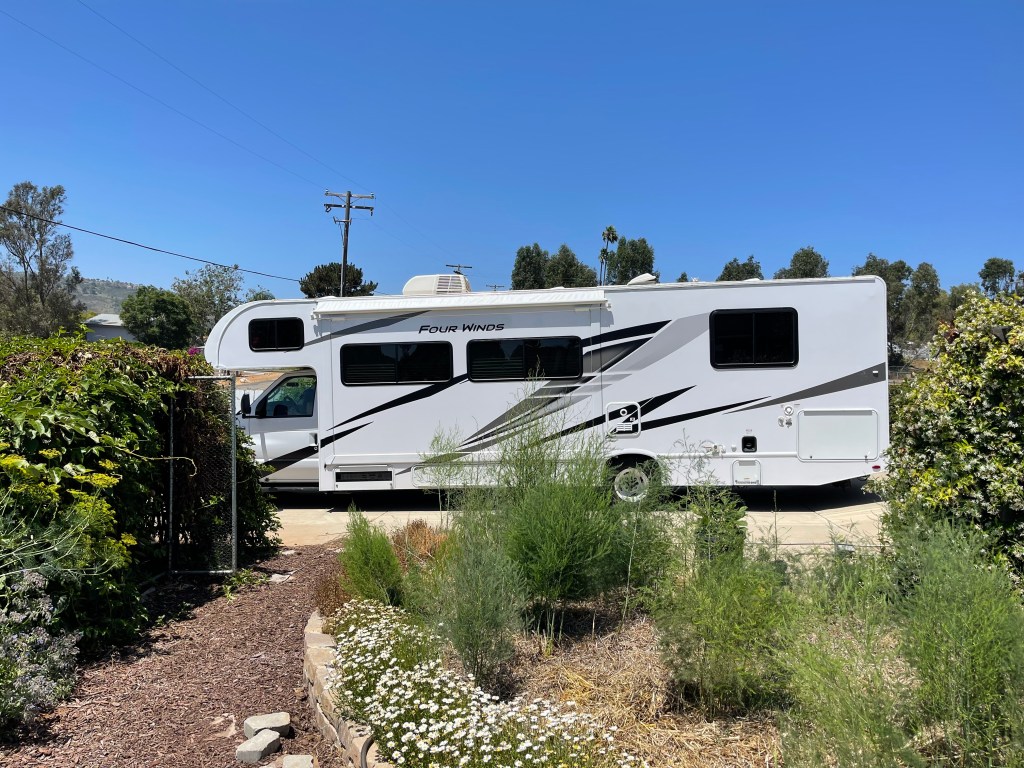
    We rented a mid-size Class C from El Monte RV for a lake weekend. Here’s exactly how it went for a large family with car seats, grandparents, and dogs—and what we’d recommend.


    The Layout & Sleeping (surprisingly great)

    • Grandma & Grandpa: rear bed (door to close off the bedroom = clutch for naps/early lights-out).
    • Parents: convertible sofa/dinette on alternating nights.
    • Kids: cab-over bunk + the opposite conversion (everyone had a dedicated spot).
    • Dogs: soft crate slid under the dinette + harness leashes clipped to a D-ring on a cabinet base.

    Bottom line: For a group this size, a Class C with cab-over bunk + two convertible beds is the sweet spot. If you can, pick a bunkhouse or ~28–31 ft layout for the extra elbow room.


    The Hardest Part: Car seats

    • Getting four car seats in/out for fuel/food stops is the most tiring part.
    • Rentals usually have lap/shoulder belts at the dinette and sofa; LATCH is uncommon. Bring locking clips and manuals.
    • Pre-assign seats, label with painter’s tape, and leave bases in place so you’re not re-installing each stop.

    Pro tip: Pack a “car-seat caddy” (locking clips, towel, wipes, trash bags) that lives under the dinette.


    Driving, Damage & Deposit

    • Before leaving: shoot a 90-second walk-around video (roofline, corners, storage doors, windshield chips, interior). Say date/time out loud.
    • Inside: down-mat runner + a cheap rug by the entry kept dirt and dog hair off.
    • Cabinets: add felt bumps to latches to reduce slams.
    • Backing up: always assign a spotter.

    The MVP Features

    • The TV was a sanity-saver during meal prep and post-lake cranky hour.
    • USB outlets near the dinette = easy tablet recharges.
    • Outdoor awning lights + camp rug made evenings feel like a living room.

    Embrace the “brown water” (black-tank routine)

    It’s not glamorous, but it’s easy if you do it right:

    1. Gloves on, connect sewer hose securely.
    2. Pull the black-tank valve, drain completely.
    3. Rinse if available; otherwise refill with a gallon of water + pull again.
    4. Pull gray tank second to rinse the hose.
    5. Add tank treatment + a gallon of water back before driving.

    Mindset: it’s five minutes, not a horror movie.


    Costs & Gotchas

    • Mileage & generator fees add up—budget them up front.
    • Expect normal interior wear.
    • Fuel economy: ~8–10 mpg.

    What We’d Rent Next Time

    • Mid-size Class C, cab-over bunk, 1–2 slide-outs.
    • At least 6 belted seating positions.
    • Rear queen for grandparents, cab-over bunk for older kids, two conversions for toddlers/parents.

    Quick Tips

    • Pack in bins by zone (kitchen, bath, sleep, lakeside).
    • Clip a collapsible bowl by the door for dogs.
    • Entry station: hooks for jackets, towels, leashes.
    • Return-ready: dump tanks, top propane, vacuum/wipe the day before drop-off.

    Verdict

    El Monte RV worked really well for a large, multi-gen, dog-friendly crew. Sleeping was smooth, the TV was a lifesaver, and the only true grind was car-seat logistics. If you respect the tank routine and protect the rig from dings, it’s an easy, memorable way to travel together.

  • When we first started dreaming about Rowan Adventures, we pictured the freedom of the open road: a home on wheels, the kids piled in with snacks and games, and endless possibilities stretching out along the highway. That’s why our first big leap into family travel was renting an RV.

    Why We Chose an RV

    With four young kids, flexibility matters. Hotels mean packing and unpacking every night, eating out for every meal, and trying to keep everyone on schedule. Renting an RV felt like the perfect solution — our home traveled with us. We could stop when we wanted, cook simple meals, and let the kids nap without breaking the flow of the trip.

    What We Learned Right Away

    • Size matters: We quickly realized that not all RVs are created equal. Some are compact and easy to drive, while others feel more like a bus. We chose a mid-sized Class C — big enough for sleeping space, but still manageable on winding roads.
    • Cost breakdown: Between the rental fee, mileage charges, fuel, and campground reservations, the numbers added up faster than expected. But compared to flying and booking multiple hotel rooms, it came surprisingly close.
    • Campgrounds are part of the adventure: From simple roadside parks to full-service family campgrounds with pools and playgrounds, the places we stopped were as memorable as the destinations.

    Why This Works for Families

    Traveling by RV gave us something more than convenience: it gave us a shared rhythm as a family. The kids loved “their bunks,” we had space to unwind after a long day, and mornings started with coffee brewed while the sunrise lit up the campground.

    What’s Next for Rowan Adventures

    This blog is where we’ll share the lessons, laughs, and little details of family travel — from road trips to small getaways. Renting an RV was just the first chapter, but it set the tone: adventure is about being together and saying yes to the journey.

    Lunch of champions
    Lunch time
    A parked RV labeled 'Four Winds' amidst foliage and shrubs, under a clear blue sky.